Stray dogs in Sri Lanka: what tourists need to know
You will see them everywhere. Outside restaurants, at temple gates, along beach roads, on hiking trails. Most are calm. A few are not. Here is what actually matters.
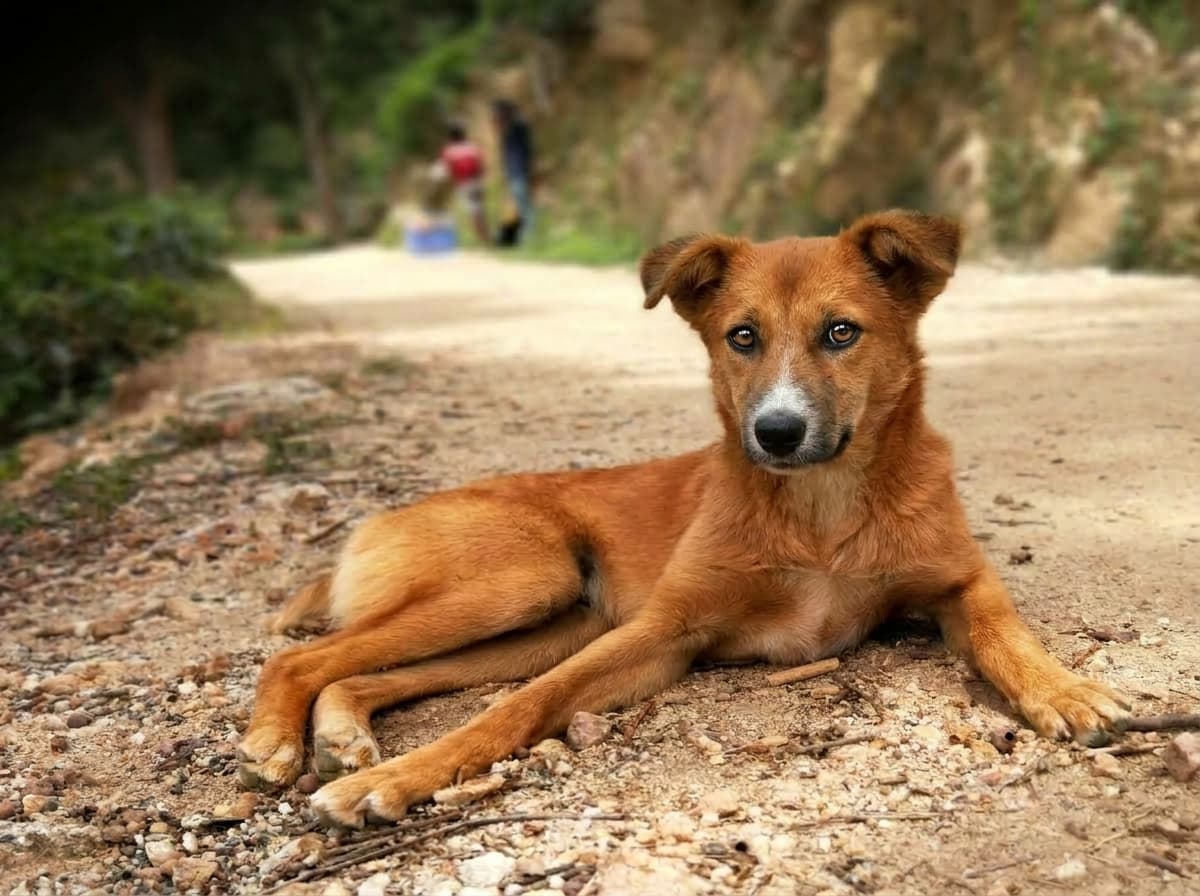
Sri Lanka is a dog country
Dogs have always been part of daily life here. Through the 1990s almost every home had one, usually a Sri Lankan Hound, a tough, low-maintenance local breed that has lived alongside people for generations.
That culture has shifted. Many families now keep foreign breeds like German Shepherds and Labradors. But the local hound is still everywhere, and a large number of them live on the streets without owners.
These are not wild animals and they are not strays in the way that word implies in Europe. They have territories, they are known to local residents, and people feed them. Nobody here is worried about stray dogs starving. The worry is different.
Where you will see them
Stray dogs are strategic. They position themselves where people are: outside restaurants, at the entrance to shops, near bus stands, along beach promenades. These spots mean food. Locals feed them without a second thought.
Rural roads have more of them than town centres. The further you go from tourist infrastructure, the more likely you are to encounter a dog that is less used to strangers.
Hiking areas are another hotspot. Dogs near popular trailheads have learned that hikers mean company and sometimes snacks. They follow. See the hiking section below.
The biggest real risk: motorbikes
This is the thing that actually hurts tourists. Not bites. Crashes.
Dogs in Sri Lanka chase motorbikes. They also cross roads suddenly, with no warning. A large number of road accidents on this island involve dogs, and rural roads where speeds feel safe are exactly where it happens.
If you are renting a scooter or motorbike, you need to know this before you ride out.
What to do when a dog chases your bike
Slow down steadily. Do not brake hard, do not swerve. Keep your eyes on the dog and reduce speed smoothly. Most dogs lose interest the moment the bike slows. The crash happens when the rider panics. Stay calm, slow down, let it pass.
What to do when a dog steps into the road ahead
Give full attention to the dog the moment you see it. They are unpredictable. Slow down, watch the dog's body, and be ready to stop. A dog that looks like it is waiting will sometimes bolt just as you reach it. Rural roads at dusk are the highest-risk time.
Feeding stray dogs
Locals feed stray dogs constantly and it is part of the culture. If you want to do the same, you can, but read this first.
Most dogs around restaurants and shops are calm and accustomed to being near people. A relaxed dog lying in front of a shop is unlikely to be a problem.
The risk goes up with dogs you do not have a read on yet. A dog you have just encountered on a rural road, at night, or one that is already tense or territorial is a different matter. If you are not confident reading dog body language, do not reach toward them. Your trip going wrong over a bite is not worth it.
Relaxed signals
Loose body, tail low or wagging gently, lying down, looking away. These dogs are not a concern.
Warning signals
Stiff body, raised hackles, direct stare, low growl, raised tail. Do not approach. Walk away slowly without turning your back.
In a pack
Dogs behave differently in groups. A dog that is calm alone can join a group chase. Avoid engaging with grouped dogs in unfamiliar rural areas at night.
Dogs on hiking trails
Many of Sri Lanka's popular hiking areas have trail dogs. They attach themselves to groups at the start of a route and follow for the entire hike. At Ella and other hill country trails this is common enough that most hikers just accept it.
They are generally harmless and some people enjoy the company. The concern is that a strange dog alongside you could attract attention from other wildlife deeper on the trail.
If you want to discourage a dog from following, do it at the very start of the hike before they commit. Once they have decided to join you, they are very hard to shake. Do not feed them during the hike, as it reinforces the behaviour for the next group.
House dogs vs stray dogs
The distinction matters for safety. House dogs in Sri Lanka, whether a local hound or a foreign breed, are almost always vaccinated. The government runs vaccination programmes and private vets are widely used. A pet dog here is not a rabies risk.
Stray dogs have no owners, no veterinary care, and no vaccinations. Sri Lanka does have a rabies risk, though it is not high. If a stray dog bites you, you treat it as a potential rabies exposure. Full stop.
If a dog bites you
Do not downplay it and do not wait to see if it gets worse. Act immediately.
Wash the wound thoroughly
Soap and running water for at least 15 minutes. This is not optional. Thorough washing at the wound site significantly reduces infection risk.
Go to a hospital the same day
Do not wait. Both government and private hospitals carry the rabies post-exposure prophylaxis (PEP) vaccine. You need a course of injections starting as soon as possible after the bite.
Government vs private
Government hospitals provide PEP at very low cost and the quality is good. They can be busy. Private hospitals are faster and more comfortable but cost more. If speed matters to you, go private. If budget matters, government is fine. Read the emergency services guide for the nearest hospitals by area.
Pre-trip vaccination
If you plan to spend significant time in rural areas, hike regularly, or rent a motorbike, ask a travel health clinic at home about a pre-exposure rabies vaccine before your trip. It does not eliminate the need for PEP if you are bitten, but it simplifies treatment and buys you more time to reach a hospital. The WHO rabies factsheet covers pre- and post-exposure protocols in full.
Common questions
Most are calm and used to people. They live near shops, restaurants, and busy areas and are fed regularly by locals. The main risks are motorbike accidents caused by dogs chasing or crossing suddenly, and bites from dogs that feel threatened. Do not approach or feed dogs if you are not confident reading their body language.
Stray dogs in Sri Lanka are not vaccinated. Sri Lanka does have a rabies risk, though it is not high. If a stray dog bites you, go to a hospital the same day and start post-exposure treatment. Do not wait. Government hospitals carry the vaccine at very low cost.
Slow down steadily, do not brake suddenly or swerve. Keep your eyes on the dog and reduce speed to give it room. Most dogs stop chasing once you slow down. The danger is not the dog catching you, it is panicking and losing control of the bike. Stay calm, slow down, let the dog lose interest.
Wash the wound with soap and water for at least 15 minutes, then go directly to a hospital the same day. Government hospitals provide rabies post-exposure treatment at very low cost. Private hospitals are faster. Do not wait to see if symptoms develop.
If you plan to hike frequently, spend time in rural areas, or rent a motorbike, it is worth asking a travel health clinic at home. A pre-exposure vaccine does not eliminate the need for post-exposure treatment if you are bitten, but it gives you more time to reach a hospital and simplifies the treatment course.
Yes, this is common near popular trailheads. They are usually harmless. The concern is that a following dog could attract attention from other wildlife deeper on the trail. Discourage them at the very start of the hike if you do not want company. Do not feed them during the walk.