Yala National Park: See wild leopards in Sri Lanka
Highest leopard density on Earth, wild elephants, and sloth bears meeting the Indian Ocean. Here is when to go, how to pick an ethical driver, and what to honestly expect.
Why Visit Yala?
Yala National Park holds a remarkable distinction. It has the highest density of leopards of any national park in the world. In a single morning safari, it is not unusual to see multiple leopards going about their lives in the wild.
Beyond leopards, this massive reserve is home to wild elephants, sloth bears, crocodiles, and hundreds of bird species. The landscape is extraordinary, where ancient jungle meets deserted beaches on the Indian Ocean.
The safari reality
Because Yala is famous for leopards, it is also famous for jeep traffic jams. When a leopard is spotted, dozens of jeeps rush to the location, causing massive dust clouds and noise. If you want a peaceful, solitary wildlife experience, Yala is not the place.
You must book an ethical, private driver who refuses to crowd the animals. A good driver will stay away from the main pack and find quiet sightings for you.
Ready to visit Yala?
Compare Hotels near Yala ›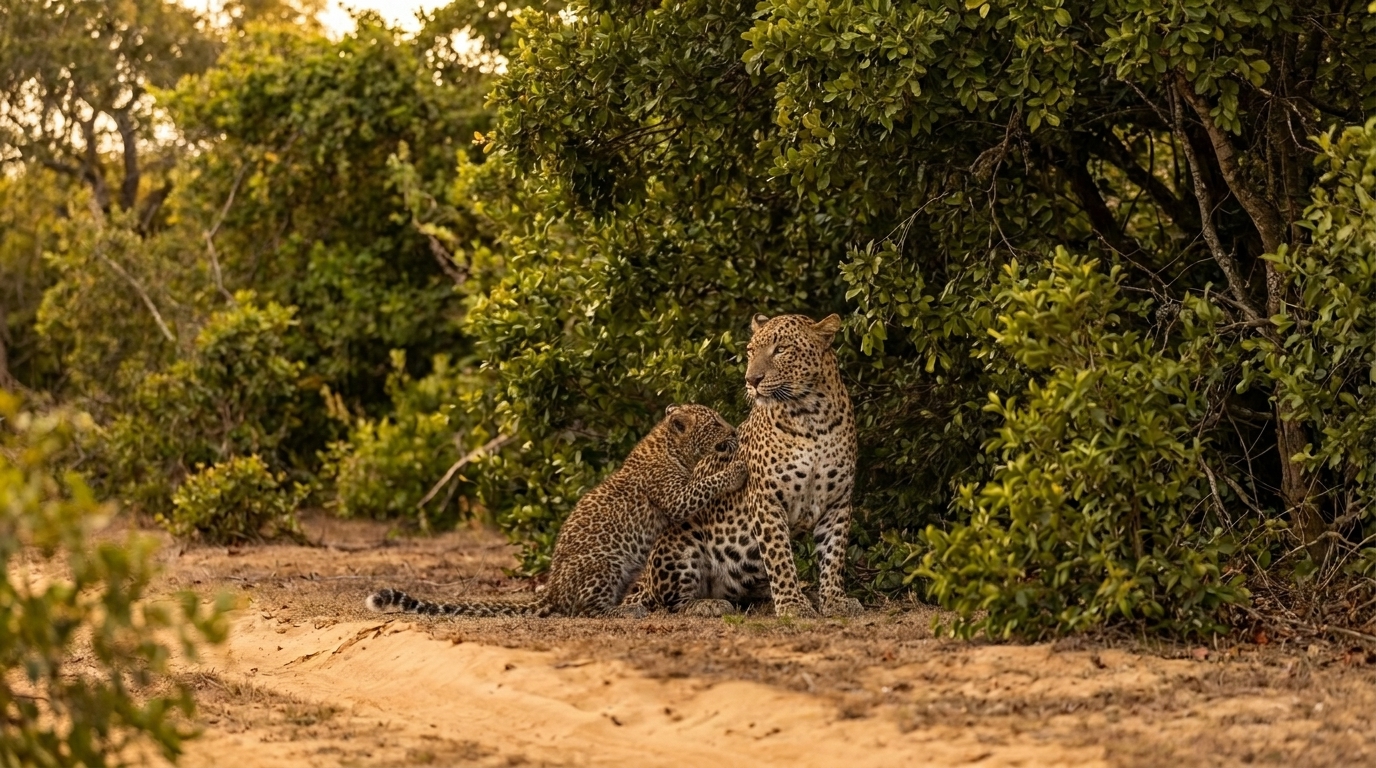
A wild leopard on the granite outcrops of Yala
Best Time for Safari
Wildlife activity is highest in the dry season when animals concentrate around water sources. Always check the Sri Lanka Tourism board for exact annual closure dates.
February to July (Best)
Dry season. Vegetation is low and leopards are easiest to spot near the limited water sources.
September to October (Park Closed)
Main zone (Block 1) usually closes for ecological recovery. Check exact dates before planning an autumn trip.
Local tip: Gates open at 6am. The first hour is critical for big cat sightings before the heat builds. Always book the early morning slot.
How to Get There
Practical: Private Transfer
From Galle or Mirissa, Yala is a 2.5 to 3.5 hour drive costing 40 to 55 EUR. From Colombo, expect 5 to 6 hours for roughly 65 to 85 EUR.
- Nearest Town: Tissamaharama (12km from park gate)
- Safari Cost: 35 to 55 EUR per person including entry fees
Safari Timing
Choose between morning (6am to 10am) or afternoon (3pm to 6:30pm). Morning is strongly recommended for leopards.
Photography tip: Bring a telephoto lens of at least 200mm. The dust in the dry season is significant, so protect your gear well.
Where to Stay near Yala
Choose between Tissamaharama town for budget options, or immersive tented camps right on the park boundary.
Lodges near the park entrance sell out fast in the dry season. Book now.
Check Yala LodgesBudget (30 to 60 EUR)
Tissa Guesthouses
Town-based guesthouses with easy safari arrangements and authentic local hospitality.
From 35 EUR/nightMid-range (60 to 130 EUR)
Park Eco-Lodges
Properties just outside the gate where wildlife often wanders near the boundary fence.
From 70 EUR/nightWild Coast Tented Lodge
Extraordinary cocoon villas right on the beach. One of the finest luxury safari stays in Asia.
From 400 EUR/nightWhere to Eat near Yala
Lodge & Camp Dining
Eating at your lodge is the standard. You get exceptional rice and curry and sunset drinks over the scrubland.
Budgeting: 8 to 20 EUR per personKirinda Beach Seafood
Fresh seafood caught by local boats. This is the spot for outstanding grilled fish directly from the source.
Budgeting: 4 to 8 EUR per personPractical note: Tissamaharama main street offers affordable local options like kottu roti and short eats for under 5 EUR.
Practical Local Info
- Safari Quality: Your driver is key. Book through recommended operators only to avoid unethical crowding.
- Binoculars: These are absolutely essential for spotting leopards and bears hiding deep in the scrub.
- Neutral Clothing: Wear khaki, olive, or grey. Avoid white and bright colours so you blend into the jeep.
- Budgeting Costs: Budget 40 to 60 EUR per day. Check our cash guide to handle ATM withdrawals beforehand.
- Bundala: A nearby wetland park. It is excellent for flamingo spotting and quiet birdwatching without the jeep crowds.
How Long to Stay?
"Two nights and two morning safaris is the ideal minimum to maximise your leopard sighting chances."
Frequently Asked Questions
Nothing in wildlife is guaranteed, but Yala offers the highest probability in the world. Morning safaris in dry season are overwhelmingly successful.
Usually block 1 closes for 6 weeks in September and October. Check exact dates before planning your autumn trip. Other blocks may remain open.
Yes, for ages 5 and up. The frequent animal sightings keep children engaged better than long drives in Africa. See Family Itinerary ›